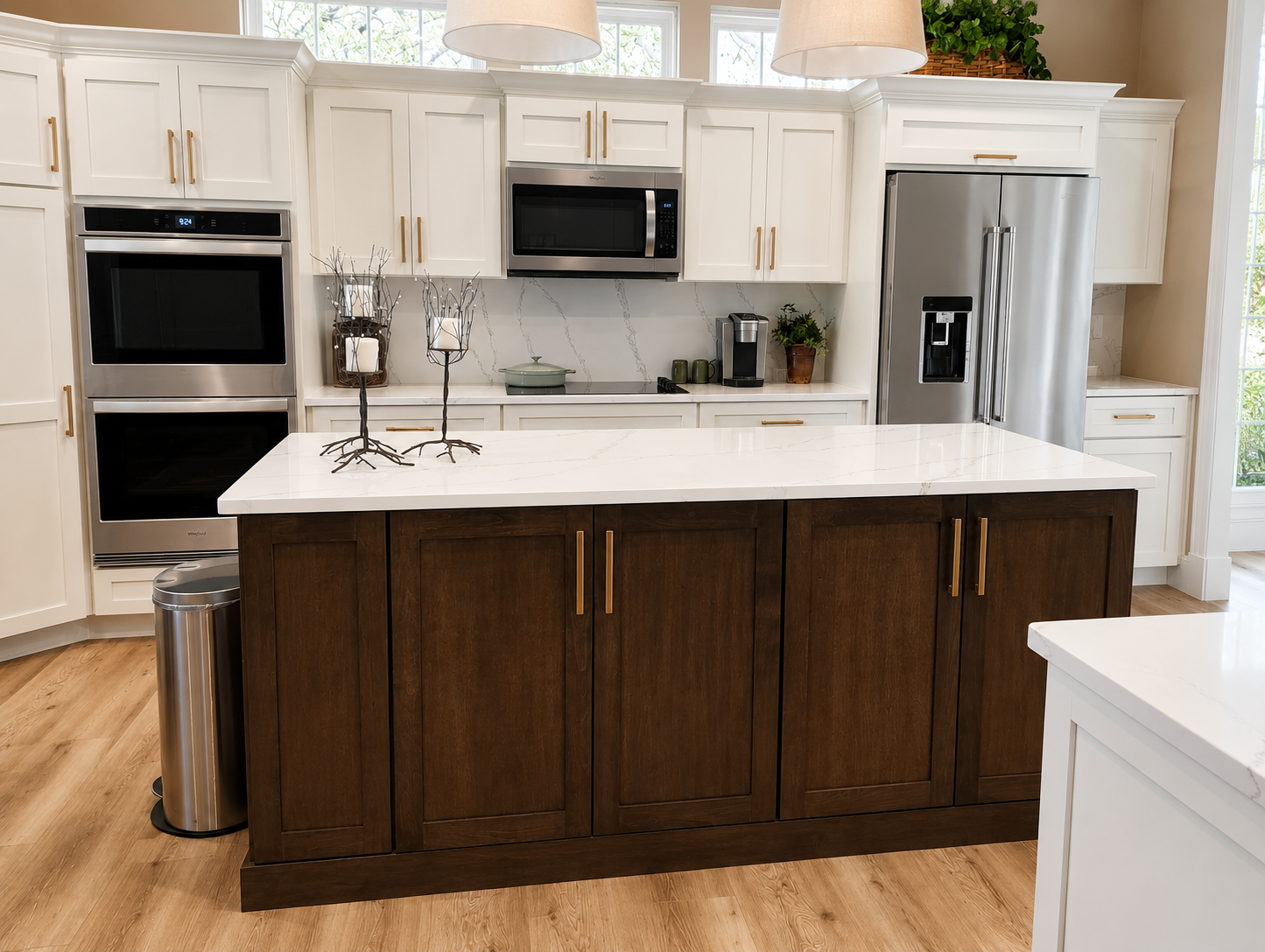
Modern
Quiet lines and restrained detail that let the architecture and materials take the lead.
- Bevel Shaker, Drop Bevel, or slab profiles
- Long, simple hardware
- Painted or straight-grain woods

The Door Style Guide
The door sets the visual language for the entire room. Compare clean modern profiles, enduring transitional choices, and detailed traditional craftsmanship before your design meeting.
Start with the feeling
You do not need to know cabinet terminology before calling us. Begin with the rooms you are drawn to, how much detail you enjoy, and how easy you want the surfaces to be to maintain. We will help translate that into the right construction and profile.
Quiet lines and restrained detail that let the architecture and materials take the lead.
The most flexible direction: classic proportions refined for today’s Lake Area homes.
Furniture-inspired depth, wider frames, crown details, and warm natural wood character.
Popular profiles
These examples are starting points, not a boxed-in catalog. Rail width, edge detail, overlay, wood, color, and finish are selected for the individual project.
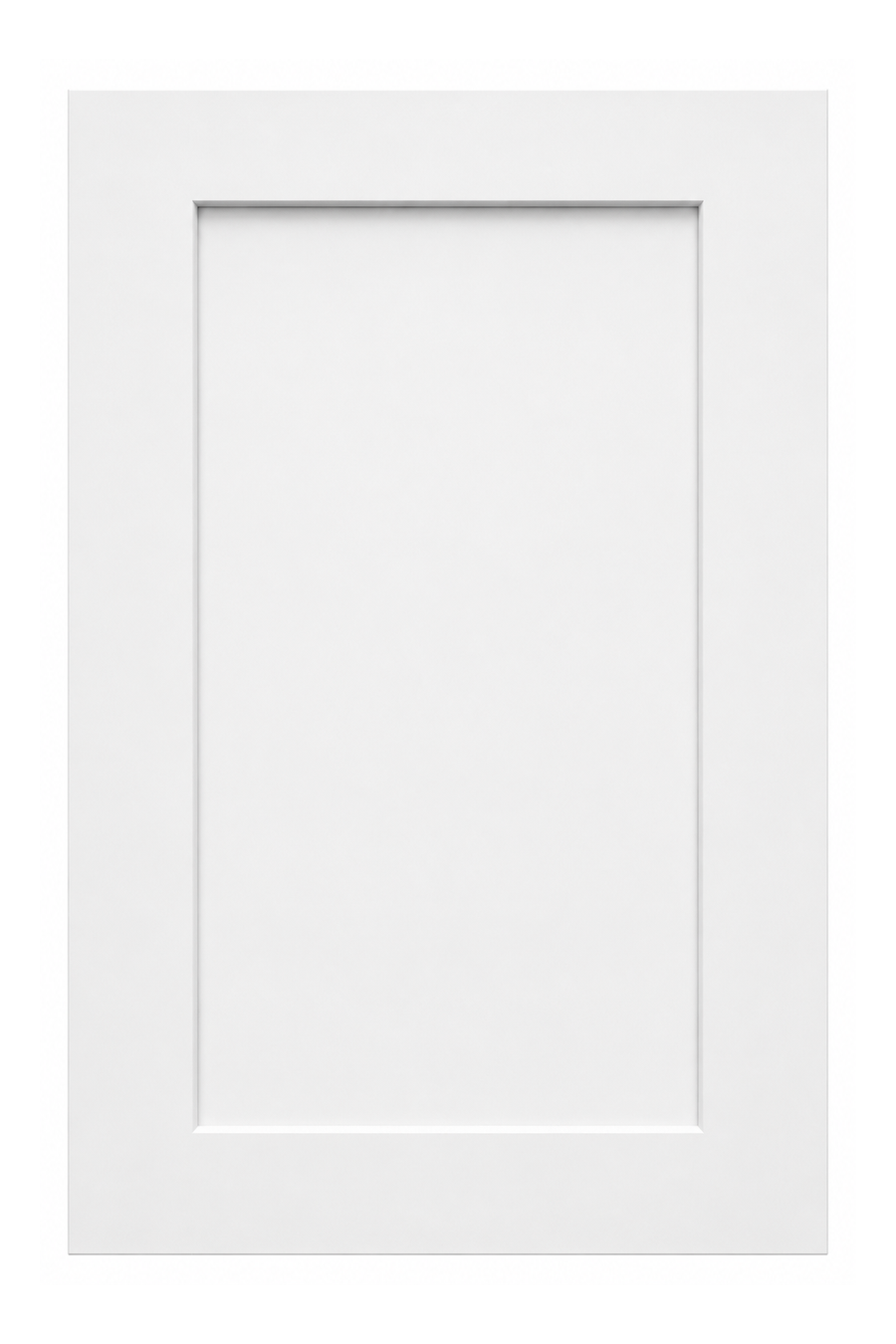
A clean five-piece door with a recessed center panel. Equally comfortable in modern, transitional, and updated traditional homes.
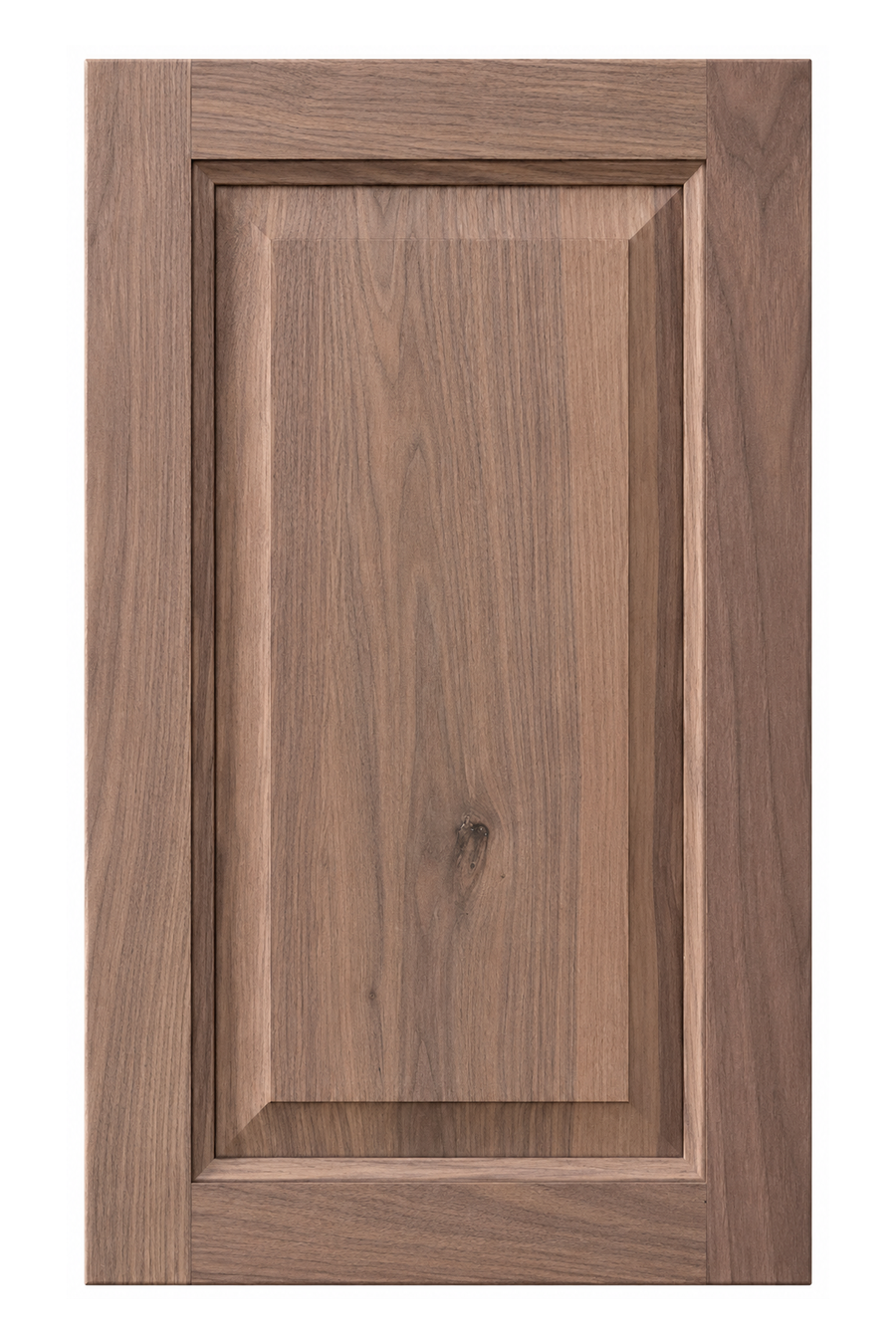
A dimensional center panel adds shadow, detail, and a custom furniture feel. A strong fit for traditional kitchens, vanities, bars, and built-ins.
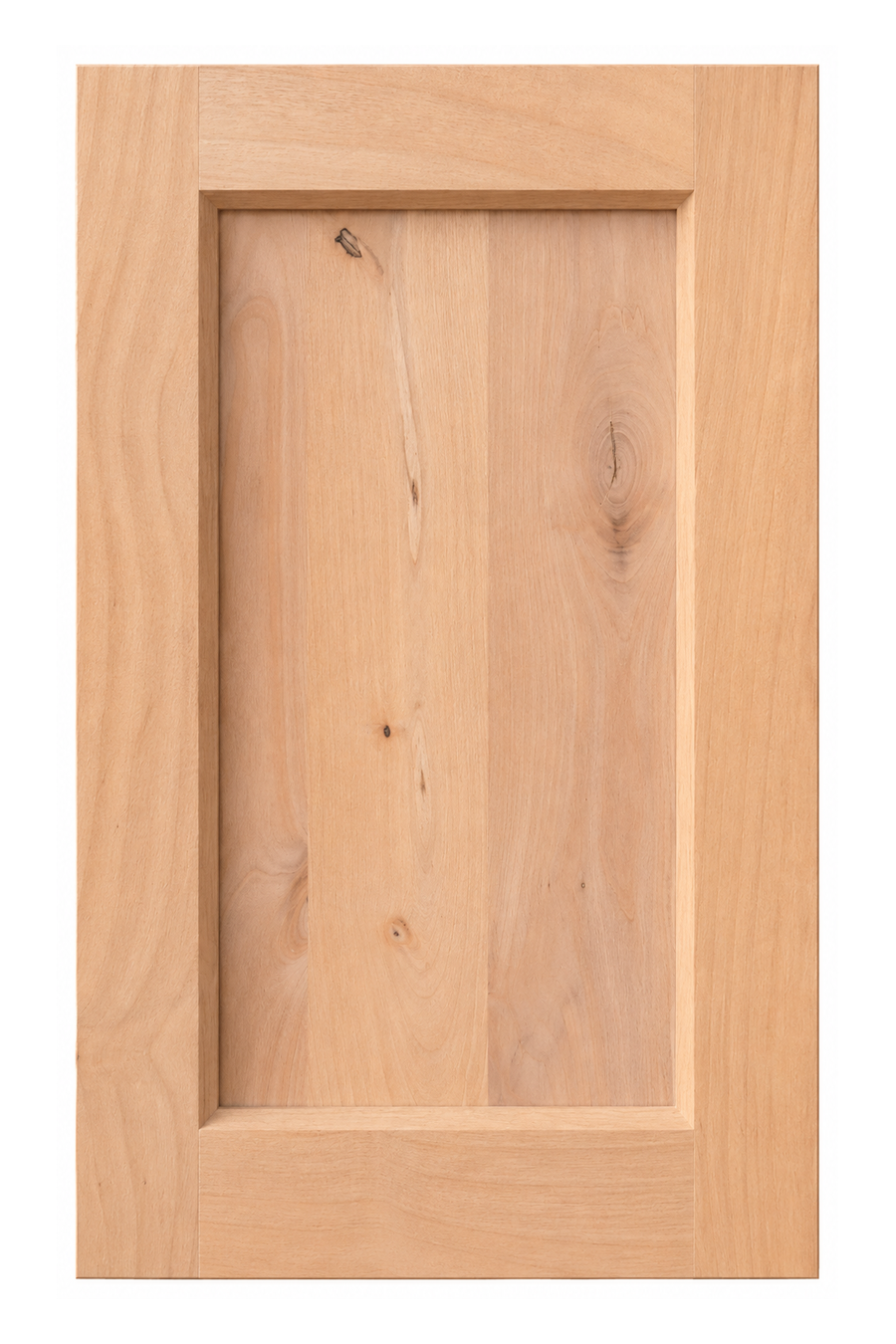
A clean Shaker layout with a beveled inner profile for extra definition. It keeps the timeless Shaker look while adding a more finished custom edge.
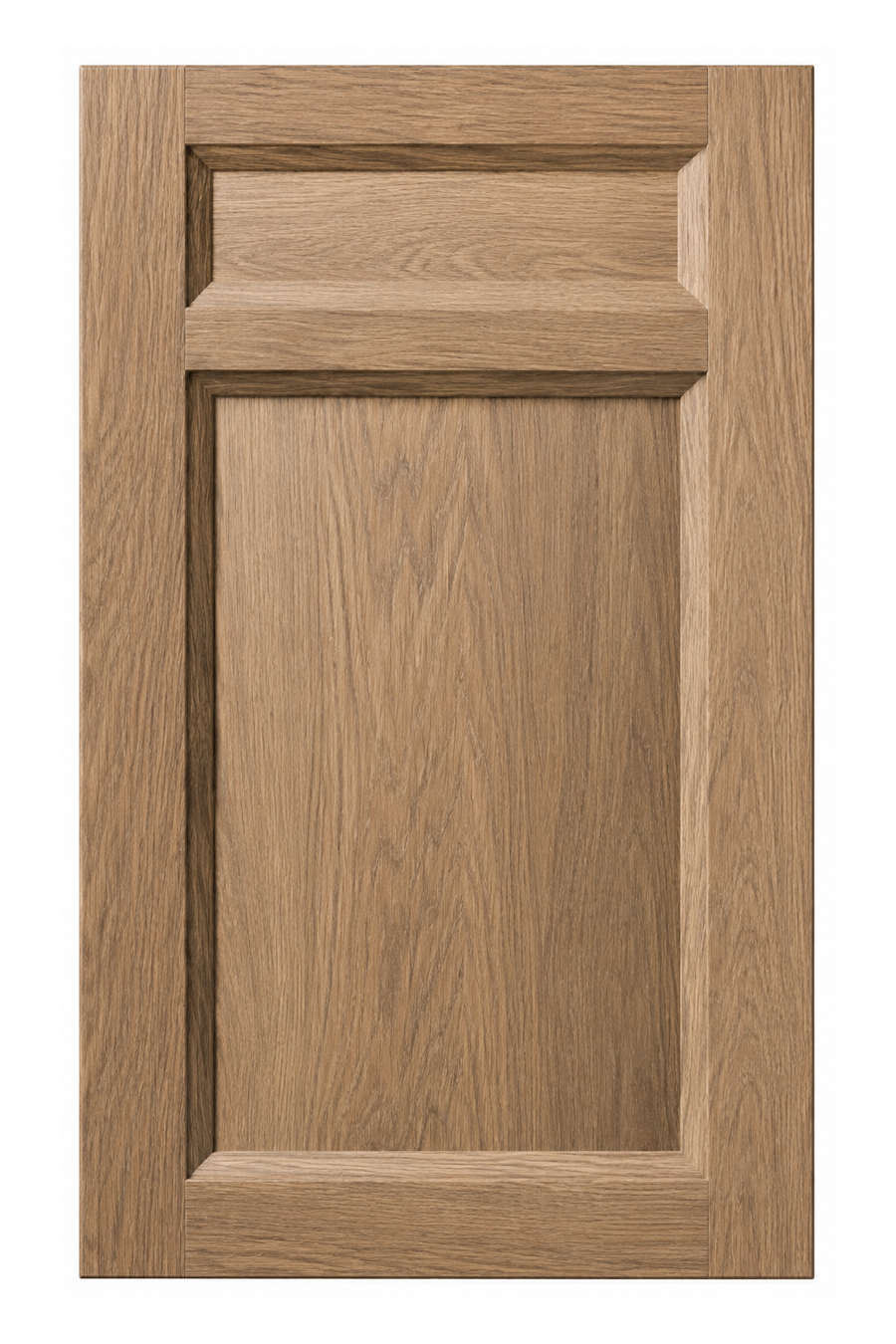
A stepped bevel profile creates a richer shadow line and upscale detail without making the cabinet feel too busy. Sharp, elevated, and very showroom-worthy.
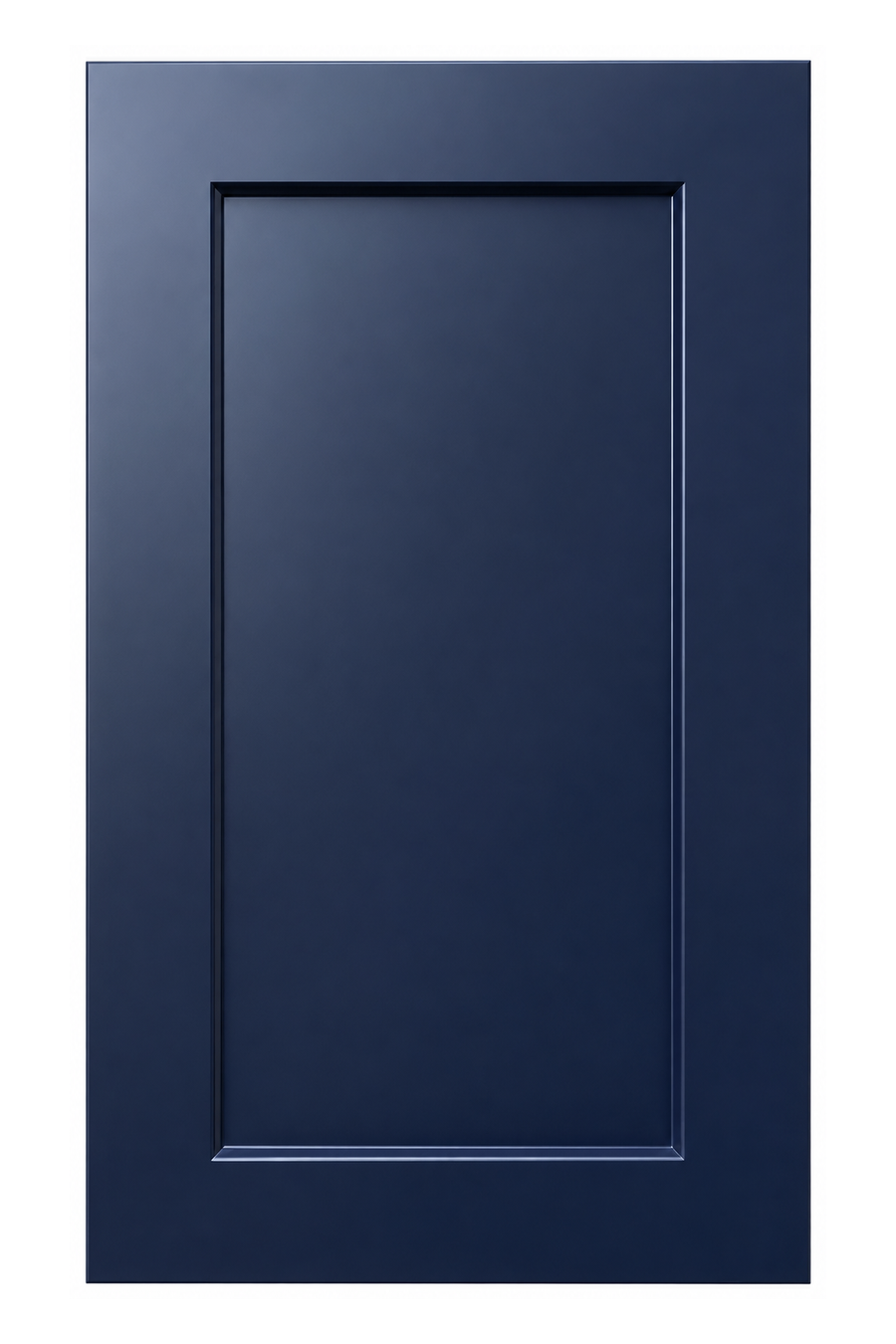
Shaker construction finished in white, navy, green, charcoal, or another approved color. Excellent for islands, vanities, and two-tone kitchens.
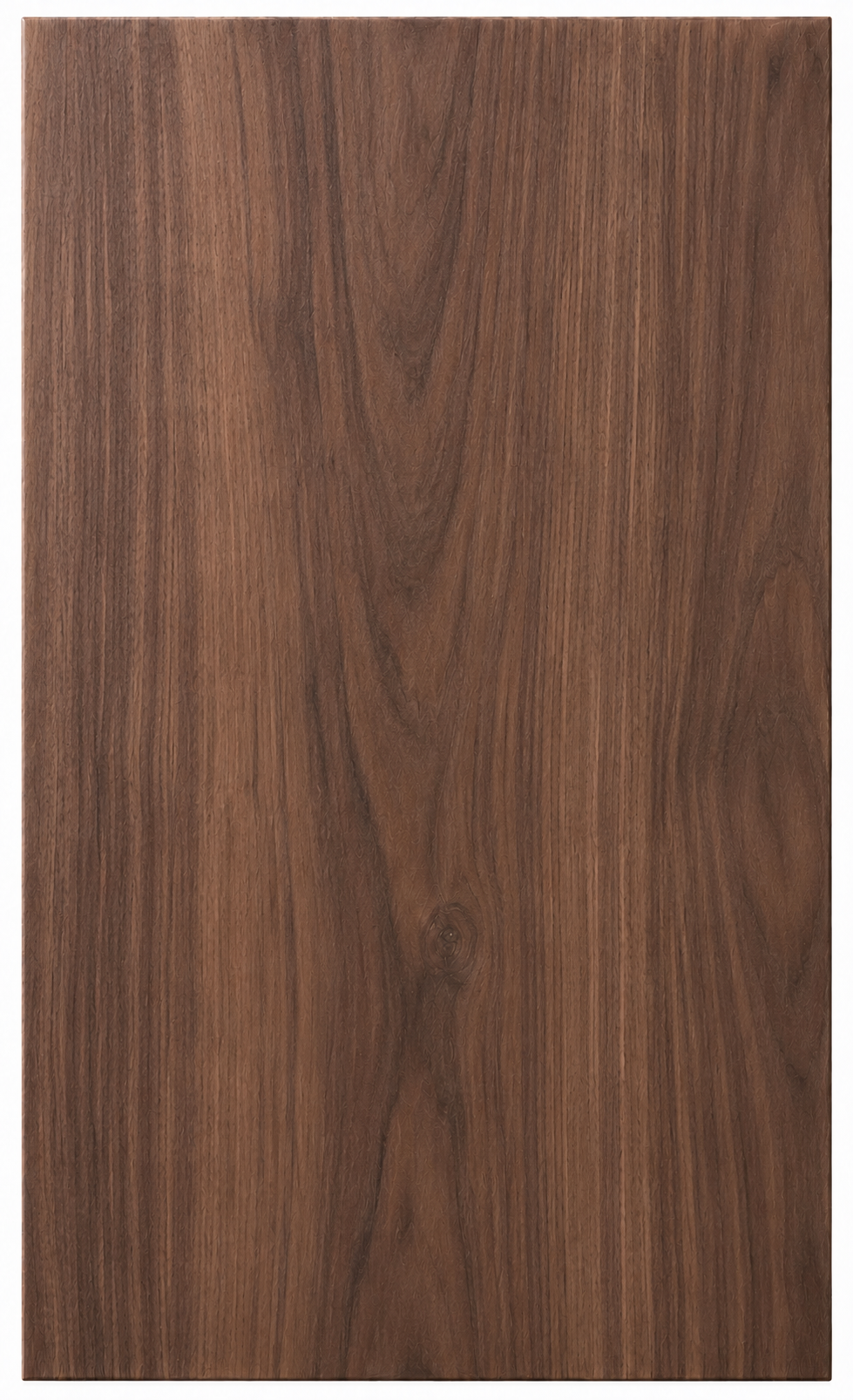
A flat face with no frame or center panel. Best when the goal is modern simplicity or when the natural grain should be the main feature.
Crafted with purpose
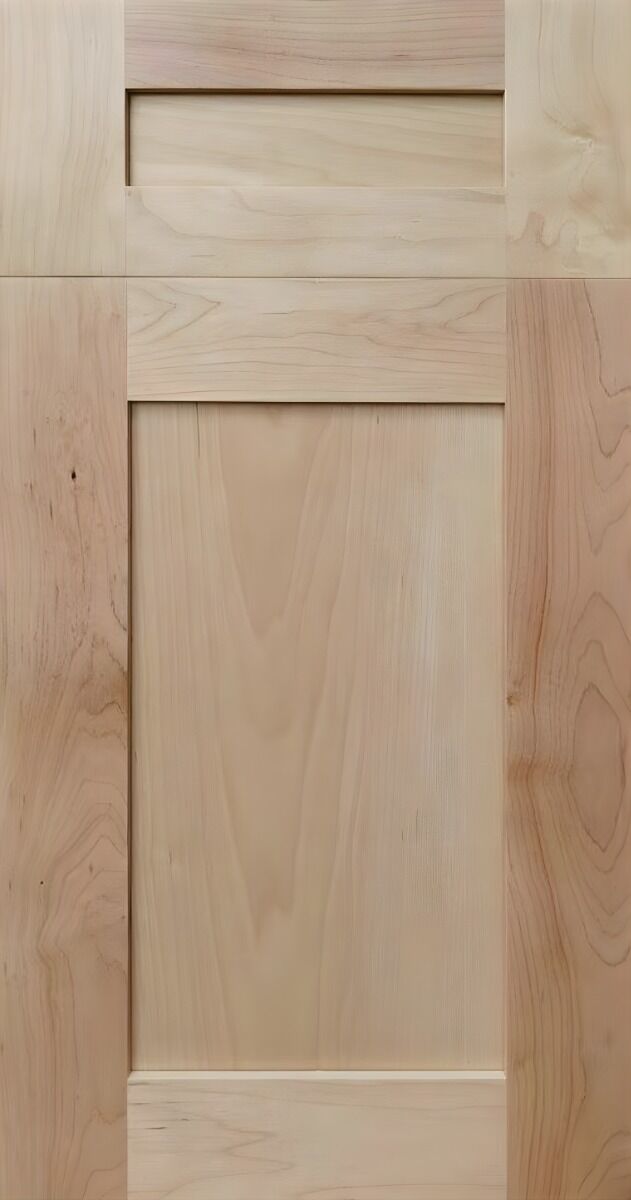
Profile, rail width, edge detail, overlay, and material establish the room’s character.
Proportions, storage needs, hardware, and soft-close operation are designed together.
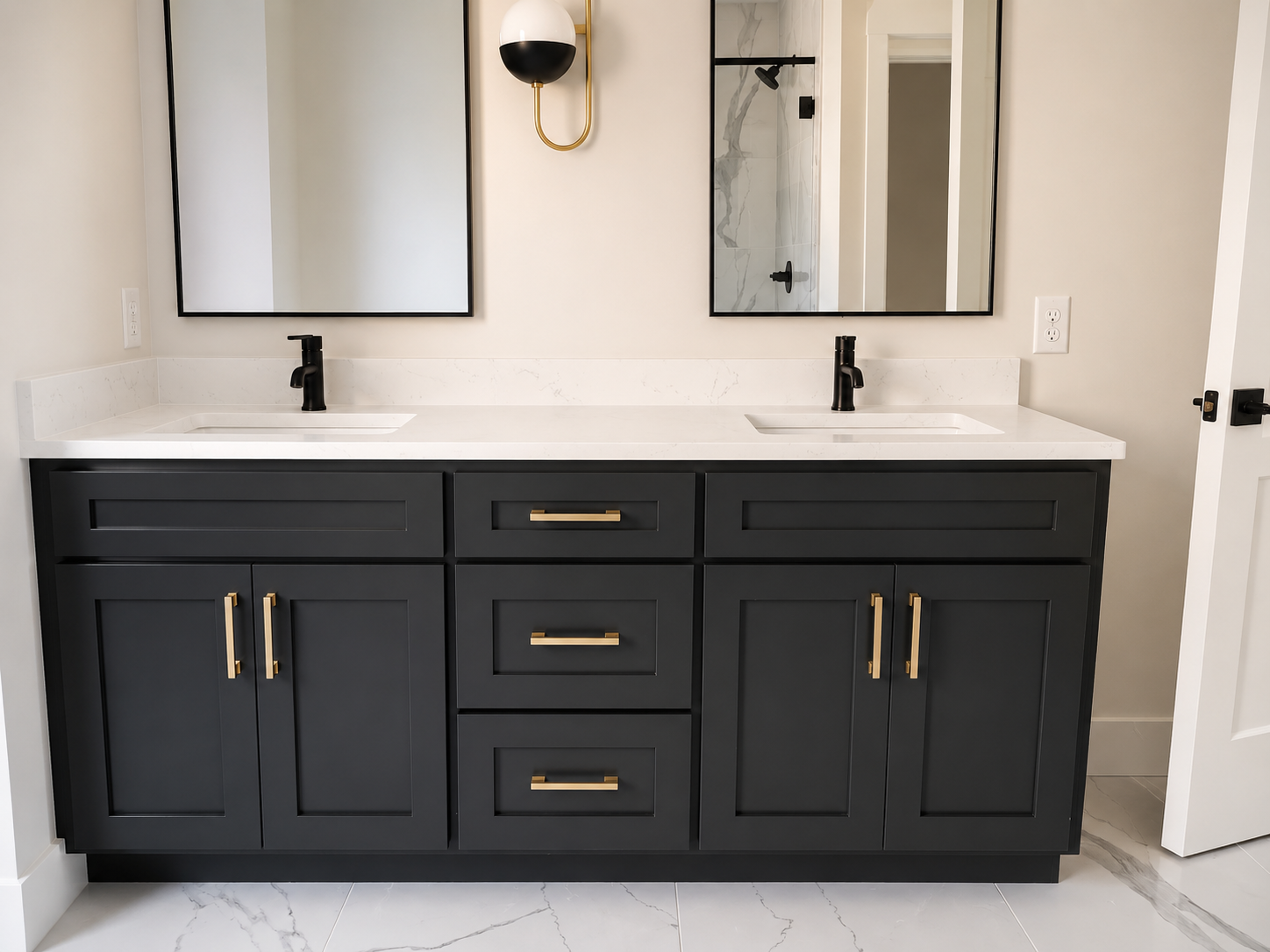
The structure behind the door determines fit, useful storage, alignment, and long-term performance.
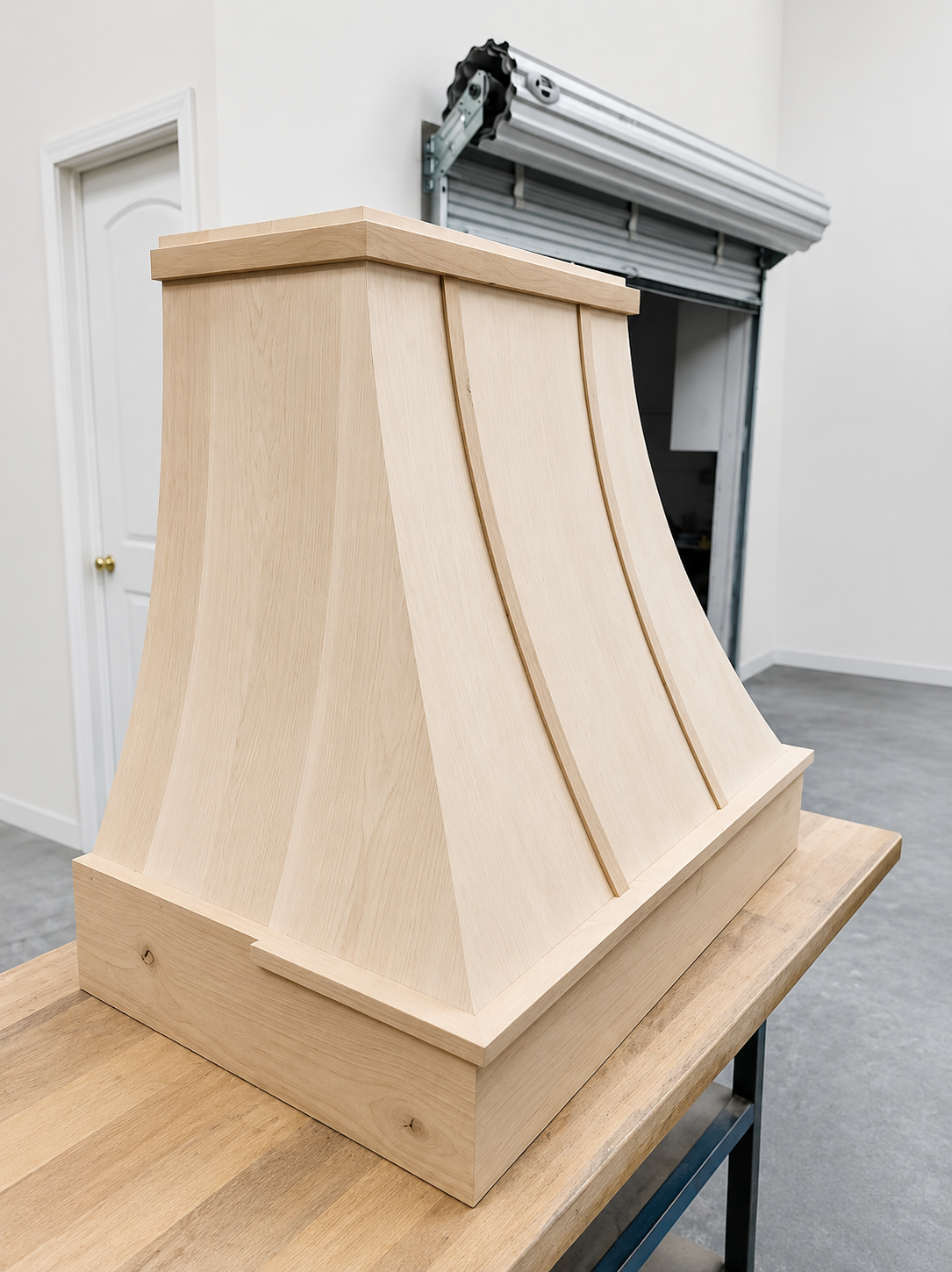
Color, sheen, stain, grain variation, and sample approval bring the selected materials together.
Before your design meeting
Bring inspiration, not a perfect specification. A few thoughtful choices give us enough direction to guide the technical details.
Look for repeated patterns in your saved images: narrow or wide frames, light or dark finishes, simple or decorative details.
Door casing, baseboards, ceiling height, beams, flooring, and adjoining rooms help determine whether the cabinetry should blend or contrast.
Bevel Shaker and slab doors feel quieter. Drop Bevel, molding, and raised panels create a more substantial furniture look.
Simpler profiles have fewer ledges. Detailed profiles add character but naturally require a little more care in busy kitchens.
Pull length, knob placement, finish, and appliance handles affect the proportions. They should be viewed as part of the cabinet design.
Screen colors are only a guide. Review the final door profile and finish sample in your home’s natural and evening light before production.